How Do I Know If I'll Look Good with a Short Haircut?
TL;DR A quick way to judge whether short hair may suit you is the 2.25 rule: measure from the tip of your earlobe to the longest point of your chin.
If that distance is under 2.25 inches, shorter cuts often look especially flattering. It is a useful guideline, not a rule of nature, and face shape, hair texture, density, and styling preferences still matter.
Wondering what you’d look like with a short haircut? You’re definitely not the only one thinking about a big chop.
A shorter cut can feel fresh, polished, and surprisingly freeing, but it usually comes with one lingering question before the salon appointment: can I actually pull off short hair?
There is a simple way to get a quick read on that. We call it the 2.25 rule.
It’s All About Face Shapes

Color Wow Global Director of Training and Education Giles Robinson says, “it’s all about face shapes and angles.”
Giles explains that legendary professional hair stylist, salon owner, and product innovator John Frieda studied faces and proposed that the angle of the jawbone could help indicate whether someone might look especially good with short hair or long hair.
That idea became known as the 2.25 rule. This rule says that if the longest part of your chin is less than 2.25 inches from the tip of your earlobe, then a short hairstyle is more likely to flatter you.
Do You Have the Right Face Shape for a Short Haircut?

If you’re wondering, “what is my face shape?” here’s an easy way to check the 2.25 rule yourself:
If your measurement is less than 2.25 inches, a short haircut may be especially flattering. This usually suggests a more petite jawline, often seen on faces like Halle Berry, Emma Watson, and Audrey Hepburn.
If your measurement is greater than 2.25 inches, longer hairstyles may create a more balanced effect. This is often associated with a more elongated face shape, as seen on Kim Kardashian and Sarah Jessica Parker.
The 2.25 rule is helpful, but it is still only a shortcut.
A great stylist also looks at your features as a whole, including forehead width, cheekbones, jawline, hairline, natural texture, and how much styling you want to do every day.
What Are the Different Face Shapes?
Measuring your jawline is the fastest way to try the 2.25 rule, but it also helps to know the broader face-shape categories.


Short Hair Length Guide
Not all short hairstyles look or behave the same way. Length changes the silhouette, the styling routine, and how the cut frames your face.
Short Haircuts, Explained
If you measured under 2.25 inches and you’re ready to commit, or you simply want to explore your options, here’s a closer look at some of the most popular short haircuts.


How Hair Texture Changes the Result
Face shape matters, but texture often determines how a cut actually lives day to day.
Fine hair can look fuller in a blunt bob or a pixie with lift at the roots. Thick hair often needs debulking or internal layering so short cuts do not expand into a triangular shape.
Wavy and curly hair can look incredible short, but shrinkage and movement need to be factored into the length before cutting.
If volume is your main goal, our guide to adding volume to short hair can help you get more lift without stiffness.
Short Hairstyles: Inspiration
If you’re committed to chopping your hair, it helps to bring a clear idea of shape and finish to your appointment.
The same haircut can look very different depending on whether you wear it sleek, tousled, glossy, or softly waved.
Follow @lydiafowler

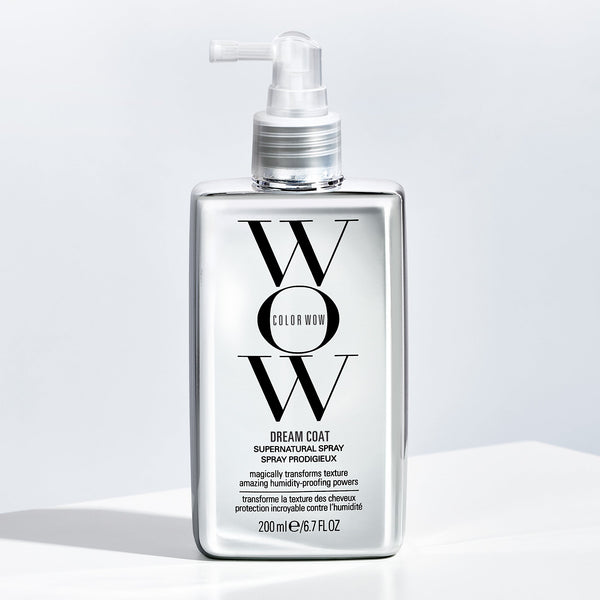
Style tip: For an extra sleek, glassy bob finish, prep hair with Dream Coat Supernatural Spray.
It helps create a smoother, sleeker look and adds humidity resistance for a polished finish.
Follow @taylorlashae

We can’t stop staring at this French bob. The bangs and slightly tousled texture give it that effortless Parisian feel.
Style tip: To add texture to a bob, use Style on Steroids Texture Spray. It gives hair more separation and lived-in movement without a stiff finish.
Follow @bailee.read

Gentle waves give this short cut softness and shape. The effect feels romantic, modern, and easy to wear.
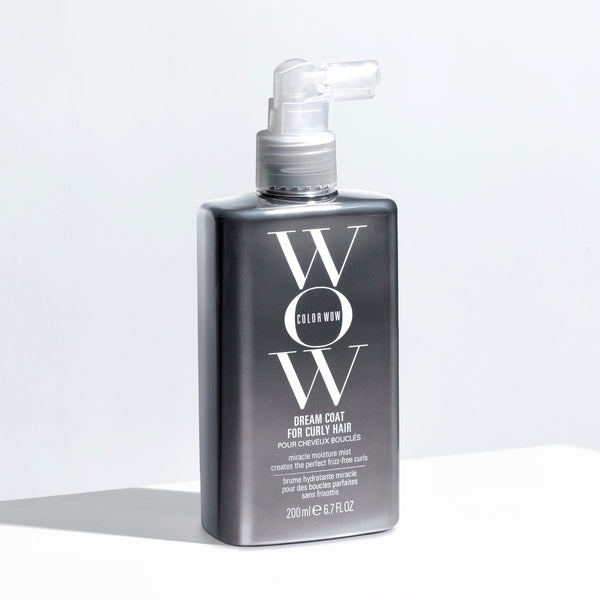
Style tip: To enhance natural waves and looser curls, try Dream Coat for Curly Hair. For tighter curls and coils, explore our collection of products for curly and wavy hair.
Frequently Asked Questions

How do I know if short hair will suit me?
Measure from the longest part of your chin to the tip of your earlobe. If that measurement is less than 2.25 inches, short hair may be especially flattering. It is a useful guide, but your features, hair texture, and preferred styling routine still matter.
What face shape is best for short hair?
There is no single best face shape for short hair. Oval faces are often considered the most versatile, but round, square, heart, and long faces can all wear short cuts successfully when the length, volume, and texture are adjusted thoughtfully.
What’s the difference between a pixie cut and a short bob?

A pixie cut is cropped close to the head with more shape or texture on top. A short bob is longer, usually sitting around the chin or slightly above, and offers more length and styling flexibility.
Will short hair suit a round or long face?
It can. Round faces often suit short cuts with some height at the crown, while long faces usually benefit from styles that add width at the sides rather than extra height. The exact cut matters more than the category alone.