What Type of Curly Hair Do I Have?
In this article, we’ll delve into the science behind curly hair, identify the various curl types, discuss their characteristics, and give you tips for caring for each type.
The Science Behind Curly Hair
Two primary factors determine hair curliness: genetics and hair follicles.
How Genetics Impact Curly Hair
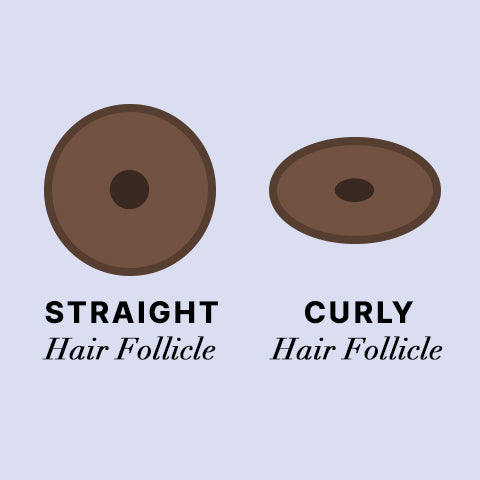
The reason your hair is straight or curly is largely due to genetics. The shape of your hair follicle, which is decided by your genes, is what makes your hair curly or straight.
People with curly hair have genes that create oval-shaped follicles which makes the hair curl. It's not just one gene that does this, but a bunch of them working together, which is why people in the same family with similar genes can have different types of curls.
How Hair Follicles Determine Curl Pattern
How to Know What Type of Curly Hair You Have
To find the best hair care routine and products for your curly hair, it's critical to identify your specific curl type(s).
The best way to do this is to wash and condition your hair, let it air-dry, and examine the nature of your curls in a mirror.
Use a hand-held mirror to see the back of your hair, which may have different curl configurations. And don’t forget to lift up your hair.... many curly girls have different hair texture in underneath layers.
The Spectrum of Curl Types: From Wavy to Coily
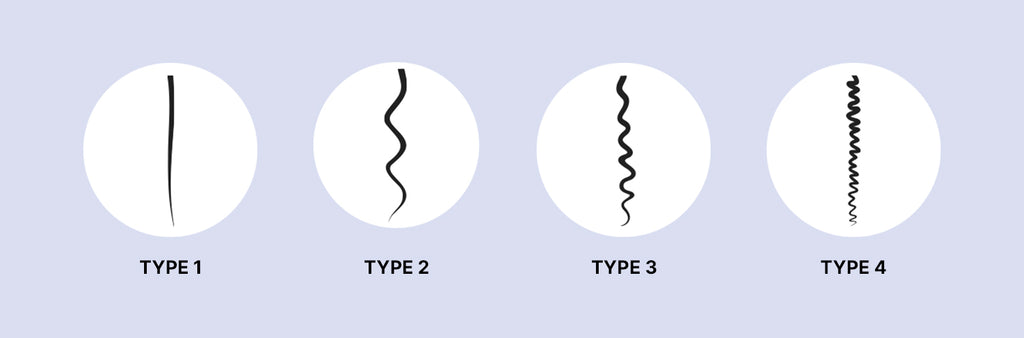
Oprah Winfrey's professional hair stylist, Andre Walker, is credited with developing "the Hair Chart", a standardised classification system where hair strands are categorised into four main types, each with its own unique characteristics.
Type 1 are straight and have no noticeable curl pattern. This type of hair tends to be shiny and smooth, but can also be prone to oiliness.
Type 2 are wavy and have a slight "S" shape. This type of hair can range from loose, beachy waves to more defined, bouncy curls.
Type 3 are curly and have a more pronounced "S" shape. This type of hair can range from loose, spiral curls to tight, corkscrew curls.
Type 4 are coily and have a tight, spring-like curl pattern. This type of hair can range from small, tightly coiled curls to larger, more defined coils.
Within each curl type, there are further subcategories that represent variations in curl tightness and definition. These subcategories are labeled as A, B, and C.
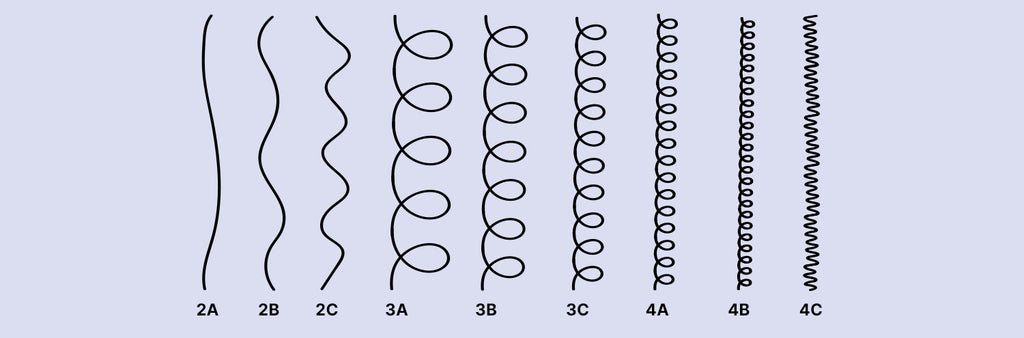
Type 2A curls, for example, are loose and have a gentle wave pattern, while Type 2C curls are more defined and have a tighter wave pattern.
Type 3A curls are loose and have a well-defined "S" shape, while Type 3C curls are tight and have a corkscrew-like pattern.
Type 4A curls are tightly coiled and have a defined "S" pattern, while Type 4C curls are tightly coiled and have a more zigzag-like pattern.
Characteristics of Different Curl Types
Each curl type has unique characteristics and requires tailored care. Let's explore the characteristics of Type 2, Type 3, and Type 4 hair.
Type 2 (Wavy) Hair Characteristics
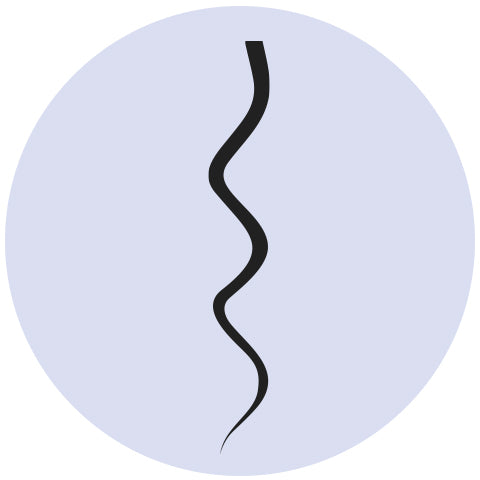
Type 2 hair falls on the wavy spectrum. It ranges from loose, gentle waves (2A) to more defined and S-shaped waves (2C). Type 2 hair tends to be prone to frizz, and individuals with this curl type often struggle with maintaining definition.
Type 3 (Curly) Hair Characteristics

Type 3 hair is characterised by well-defined curls that range from loose curls (3A) to tight corkscrews (3C). Type 3 hair is prone to frizz and dryness and requires proper conditioning and hydration to maintain its natural bounce and shape.
Type 4 (Coily) Hair Characteristics
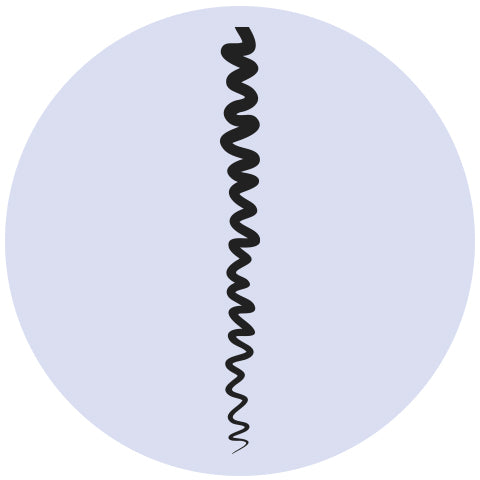
Type 4 hair is the tightest and most coily of all curl types. It ranges from small, tightly coiled curls (4A) to densely packed coils (4C). Type 4 hair tends to be extremely dehydrated, frizzy, fragile and more prone to breakage, requiring careful handling and gentle detangling techniques.
Caring for Your Curl Type
Now that you have identified your personal curl type from the standardised descriptions of curl patterns, let's explore some essential hair care tips specifically tailored to each type.
Type 2 Hair Products: Our Top Picks
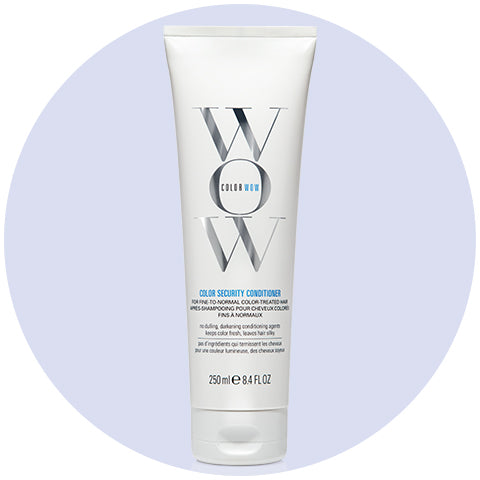
Our wavy hair essentials:


Type 3 Hair Products: Our Top Picks
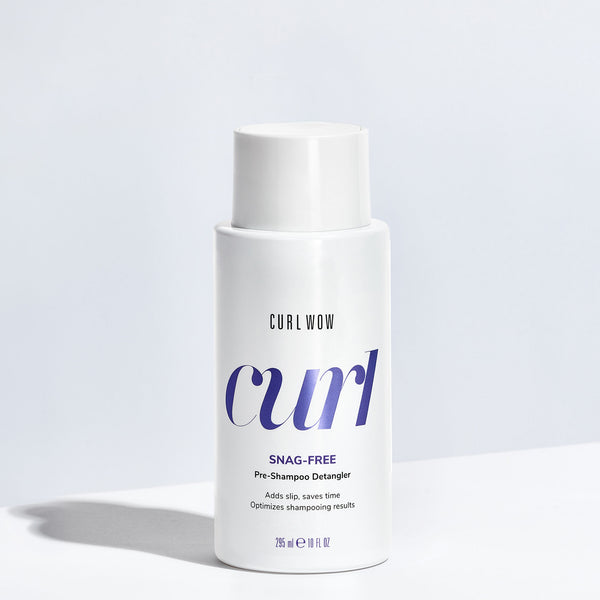
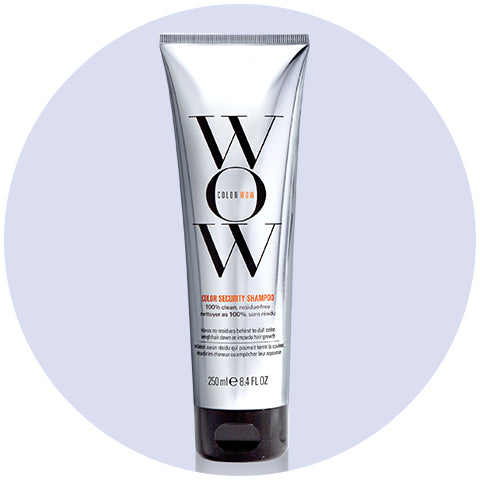
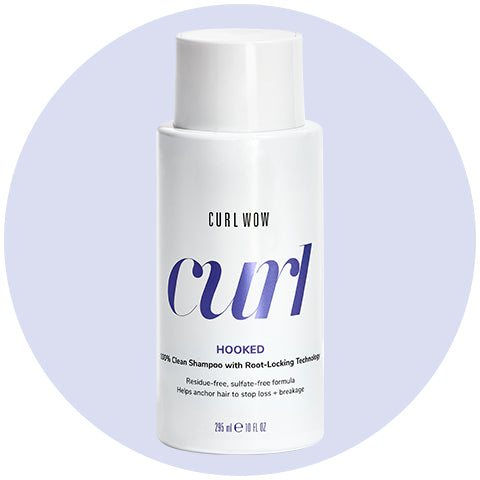
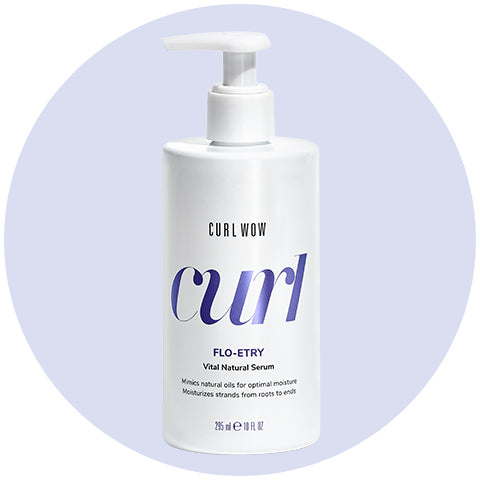
“For these curls, I suggest a pre-shampoo detangler, residue-free shampoo, a deep moisturising conditioner, supplemental oil replenishment and styling products that add moisture without weight or greasy buildup."
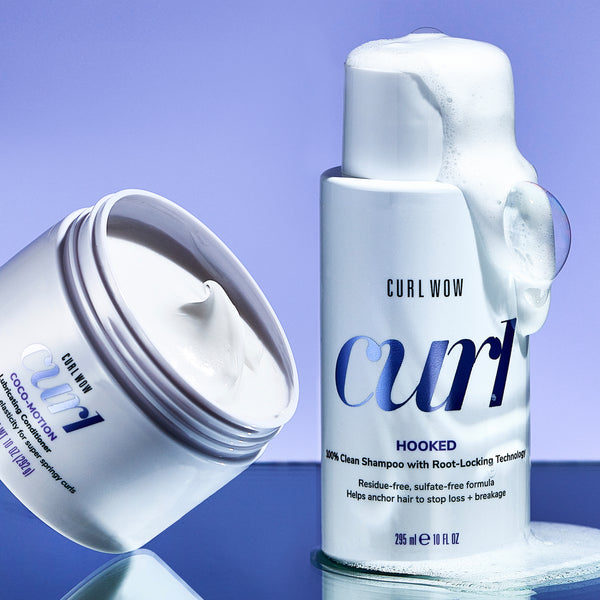
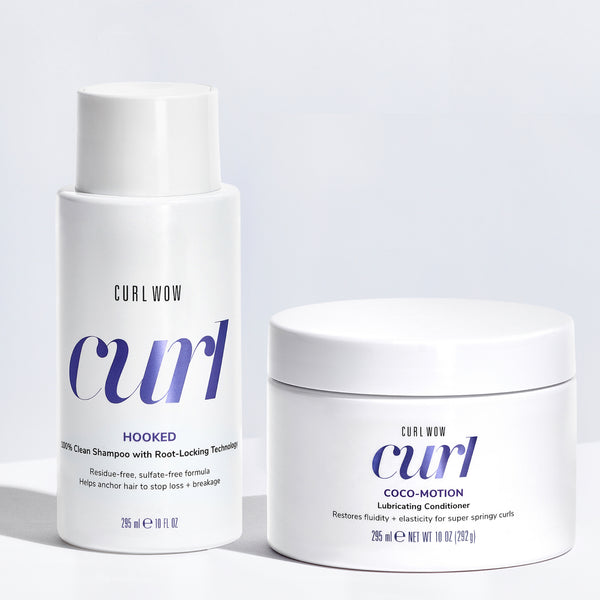
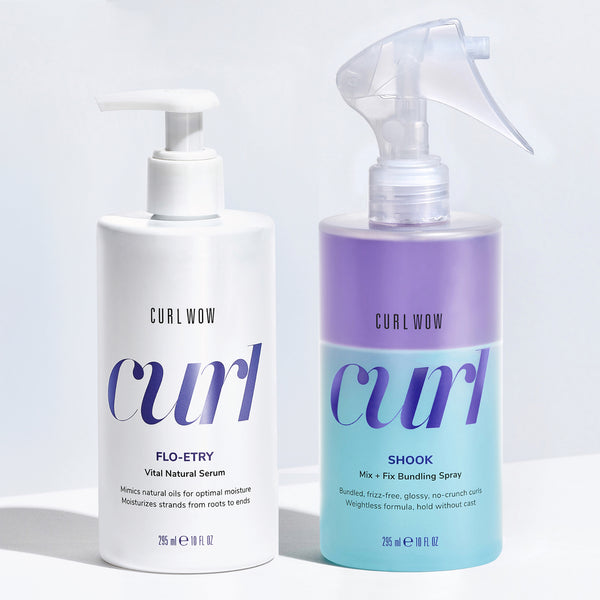
For deeply moisturised, perfectly bundled, glossy, frizz-free curls, our Curl Wow range is a must!
Every formula (except shampoo) features our "naked technology" - a game-changing delivery system that breaks down vital, curl-nourishing oils into tiny particles that can actually penetrate into strands, instead of pooling up on the surface.
Which means curls get extra moisture inside and out, but the hair never feels heavy, greasy, crunchy or rigid.



Type 4 Hair Products: Our Top Picks
“For this hair type, I recommend a pre-shampoo detangler, a cleansing shampoo, an intense hair masque followed by a leave-in conditioner, products for moisturization/hydration and styling products that add moisturization and weight to hair to maintain its volume and avoid shrinkage.”
Our coily hair essentials:
The complete Curl Wow line, with supplemental rich conditioning to infuse curls with essential moisture:

Frequently Asked Questions About Curly Hair Types
How many types of curly hair are there?
There are three main curly hair types in the standardised system: wavy (type 2), curly (type 3), and coily (type 4). Each type has subcategories (like 3A, 3B, 3C for curly hair) that further define the hair's curl pattern and texture. "Type 1" is actually straight hair!
Can I have two types of curly hair?
Yes, it's quite common for people to have more than one type of curl pattern in their hair. You might have looser curls (like 3A) in some sections of your hair and tighter curls (like 3B or 3C) in others.
This can be due to a variety of factors, including genetics and the way your hair responds to length, weight, and styling.
How do I know my curl type?
To determine your curly hair type, wash and condition your hair, let it air-dry, and then observe the curls.
It's common to have a mix of different curl patterns on different parts of your head. Compare your curls to a hair type chart for a visual reference, and remember that texture can also vary, from fine to coarse.