Hair porosity (your hair’s ability to absorb moisture) is quickly joining the ranks of hair type and texture as one of the most useful indicators for understanding how to care for your hair.
Porosity—aka how well your hair absorbs and retains moisture—plays a critical role in determining which products will keep hair optimally hydrated, balanced, and healthy.
1
Medium porosity hair is often considered the "ideal" porosity level.
2
It absorbs moisture without resistance and retains hydration without constant sealing.
3
That doesn't mean it comes without challenges—which is exactly what this guide will help you understand.
What Is Medium Porosity Hair?
Hair porosity refers to how well your hair absorbs and retains moisture. Some strands soak it up quickly, some take their time, and some barely at all.
The higher the porosity, the thirstier your hair—and understanding yours is the first step to keeping every strand looking optimally healthy, happy, and hydrated.
Hair is made up of three layers:

Cuticle – The outermost protective layer that shields the inner layers of the hair.
Cortex – The middle layer that contains most of the hair's colour and strength.
Medulla – The soft, innermost layer of the hair shaft.
“Think of your cuticle like roof shingles,” says Dr. Joe Cincotta, Color Wow Chief Chemist. “If they’re tight and flat, water slides off. If they’re lifted or damaged, everything seeps in—and escapes just as fast.”

1. Low Porosity Hair = Closed Cuticle
In low porosity hair, the cuticle layer is tightly closed, meaning there are no gaps in the surface of your hair.
2. High Porosity Hair = Lifted Cuticle
In high porosity hair, the cuticle layer is open, resulting in gaps (aka “pores”) in the surface of your hair. This allows moisture to enter easily, but your hair can’t retain it.
3. Medium Porosity Hair exists between those two extremes
Its cuticle layer is slightly raised but still smooth, allowing moisture to enter at a controlled rate while retaining it without excessive loss.
Any hair texture can have medium porosity. What determines your hair’s porosity is the condition and structure of the cuticle layer.
Let’s clear up a few common misunderstandings:
1
Porosity is not determined by curl pattern.
2
Porosity is not about how dry your hair feels.
3
Porosity is not defined by thickness or density.
For a complete breakdown of all porosity types, see our guide to understanding hair porosity.
How Medium Porosity Differs From Low and High Porosity Hair
Medium porosity hair thrives on a balance of hydration and protection, helping keep the cuticle healthy without excessive lifting or damage.
To understand it better, it helps to compare it with the other porosity types.
Resists water absorption, which can cause products to sit on the surface and makes hair slower to fully saturate.
The cuticle layer is lifted, creating gaps that allow moisture to enter easily but escape just as quickly, often leaving hair rough, frizz-prone, and quick to dry.
Sits between these extremes. It absorbs moisture at a moderate pace, retains hydration well, and generally responds to styling without heavy product buildup.
This balance makes medium porosity hair versatile, but it isn’t permanent.
Heat styling, chemical treatments, UV exposure, and product buildup can gradually lift the cuticle, causing hair to shift toward higher porosity over time.
Characteristics of Medium Porosity Hair
Medium porosity hair looks smooth and soft without feeling greasy or coated. It’s often called the “ideal” hair type due to its ability to hold styles well, keep curl definition, and maintain volume.
Since it absorbs and retains moisture evenly, it tends to be easy to manage. However, it can still be prone to buildup.
How to Test for Medium Porosity Hair (Accurately)

To start, shampoo your hair and let it air dry without products. Then, fill a glass with room temperature water, and place a single strand of hair in the water.
If the strand sinks, it means you have high porosity hair. If the strand floats, it means you have low porosity hair.
Medium porosity indicator: If the strand floats and begins to slowly fall, you have medium porosity hair.
However, this test isn’t fool-proof. Product buildup can weigh strands down and cause them to sink even if the cuticle isn’t lifted. For the most accurate results, it’s always best to try additional tests to confirm.

Mist dry hair with water and observe. If your hair absorbs the water quickly, you likely have high porosity hair.
If the water beads up on your hair, you likely have low porosity hair. Medium porosity hair acts a little differently. While it does not repel water entirely, it doesn’t absorb it all at once either.
Medium porosity indicator: Medium porosity hair will show slight beading before being completely absorbed.
3
The Slip and Strand Assessment

This method focuses on tactile feedback. Slide your fingers upward along a strand from the ends towards your scalp.
Noticeable roughness or snagging suggests lifted cuticles and a higher porosity. If the strand feels mostly smooth with slight texture, it likely indicates medium porosity.
Medium porosity indicator: The strand feels mostly smooth with slight texture.
This assessment is especially useful for detecting which sections may be shifting toward higher porosity due to damage.
When Results Are Mixed
It is completely normal for different sections of your hair to have slightly different porosity levels, many people have medium porosity at the roots while the ends tend to be more porous.
Common reasons include:
Heat styling concentrated at the front or crown
Colour-treated mids and ends
New growth behaving differently than older hair
Friction from ponytails or parting patterns
Daily Care Routine for Medium Porosity Hair
Maintaining medium porosity hair is less about drastic intervention and more about consistency. When the cuticle is balanced, your goal is to preserve that balance.
1
Cleansing: The Foundation of Porosity Control
Medium porosity hair is happiest when it is free of buildup. Heavy oils and conditioners can accumulate over time, making it harder for water and treatments to absorb properly.
This residue interferes with how evenly water and active ingredients penetrate the strand. Washing regularly with a gentle, residue-free shampoo helps keep the hair clean, balanced, and easy to manage.
2
Conditioning: Hydration Without Overload
Medium porosity hair thrives on balanced hydration, not heavy layers.
✓
Lightweight conditioners with well-balanced moisturising ingredients keep it soft and smooth without leaving a coating behind.
✓
Deep treatments can be helpful, but thick masks used too often can weigh the hair down and cause buildup.
✓
When it comes to extra support, lightweight leave-ins are your best friend, especially if you use heat or face environmental stress. They help maintain strength, elasticity, and smoothness without blocking moisture or making the hair feel heavy.
The goal of conditioning is to replenish hydration without coating the strand.
Look for:
✓
Lightweight conditioning agents
✓
Formulas free of heavy butters and waxes
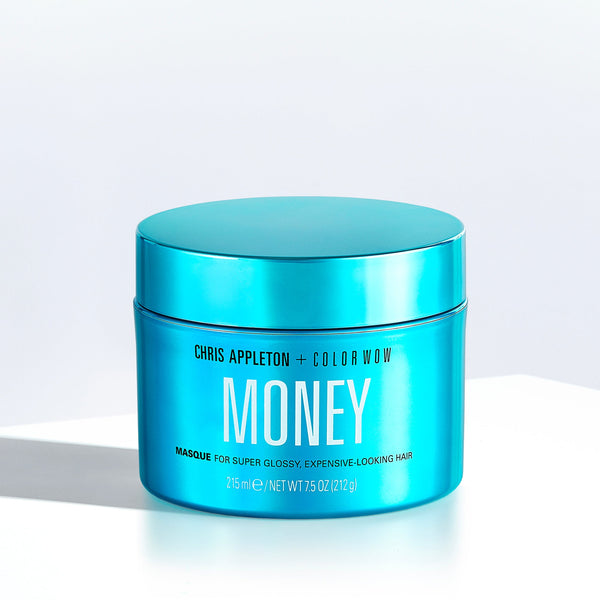
Money Masque delivers hydration while maintaining movement and softness, making it well suited for balanced porosity hair.
Deep treatments are beneficial, but overuse of dense masks can create unnecessary buildup.
3
Leave-In Support and Strengthening
Medium porosity hair benefits from strengthening support, especially if exposed to heat or environmental stress.

Lightweight leave-in treatments, like our Dream Cocktails range, help reinforce resilience without blocking absorption.
These targeted formulas support elasticity and smoothness while preserving cuticle integrity. Avoid layering oils on top of leave-ins unless your hair specifically requires added slip.
Oils coat the strand but do not correct porosity imbalance.
Styling Tips for Medium Porosity Hair
Medium porosity hair works best when care matches your hair’s texture.
Straight & Wavy Hair
Shines easily, holds blowouts well, and responds to lightweight smoothing products, while heavy serums can flatten natural movement.
Curly & Coily Hair
Retains moisture more easily, thrives with balanced hydration, and benefits from lightweight curl definers that preserve bounce and elasticity without buildup.
Hair Thickness Matters Too
Fine strands need ultra-light formulas, minimal layering, and careful product distribution.
Thicker strands can handle a bit more slip and hydration but still do best with residue-free care. Understanding both texture and thickness makes styling easier and keeps hair looking healthy and balanced.
Heat Styling Guidelines
Medium porosity hair can tolerate moderate heat, provided it is protected. Before blow-drying or heat styling:
✓
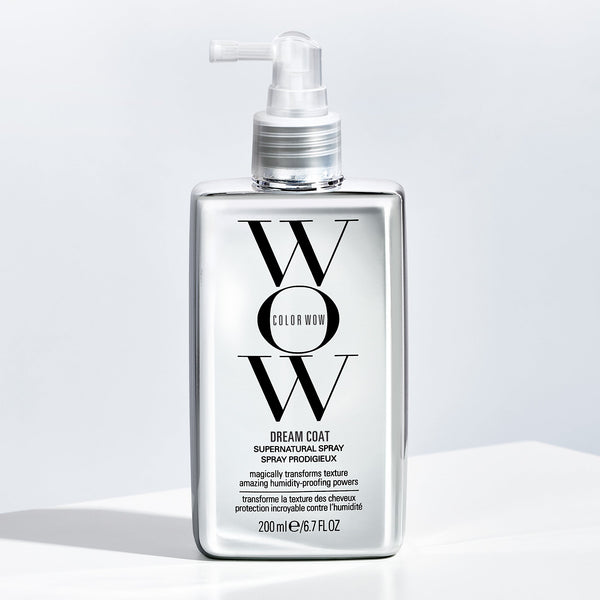
Apply a heat-protective, cuticle-sealing product like Dream Coat, whose heat-activated technology smooths and aligns the cuticle, helping reduce humidity-related swelling.
✓
Avoid excessively high temperatures.
✓
Minimise repeated passes over the same section.
Common Mistakes to Avoid with Medium Porosity Hair
Keeping medium porosity hair healthy heavily relies on finding the perfect balance between the deep hydration needs of high porosity hair, but the build-up prone characteristics of low porosity hair.
1. Overloading Heavy Oils
Heavy oils and waxes create surface buildup that interferes with absorption. Over time, this makes medium porosity hair behave unpredictably.
2. Ignoring Subtle Shifts
Changes in drying time, frizz levels, or shine are early structural signals. Addressing them promptly helps preserve cuticle health.
3. Skipping Regular Trims
Split ends expose inner hair structure and accelerate porosity changes from the ends upward.
Medium porosity hair is balanced, adaptable, and versatile. Its cuticle allows controlled absorption and retention, which supports shine, softness, and styling flexibility. But balance requires maintenance!
To preserve medium porosity, make sure to keep the scalp as residue-free as possible, hydrate without coating, and protect against humidity.
For a full overview of all porosity types and how they compare, explore our complete hair porosity guide.