Why Your Blonde Hair Gets Darker With Age — According to a Hair Chemist
Natural blonde hair is known for changing with age. Hair that was bright blonde in childhood can slowly shift to dark blonde, dishwater blonde, light brown, or even brunette tones by adulthood.
In fact, it’s one of the most searched questions around natural hair colour change. And while many people assume it’s simply “getting older,” the reality is much more interesting.
Genetics, melanin activity, hormones, environmental exposure, mineral buildup, and even modern haircare habits all influence how blonde hair evolves over time.
To explain what’s really happening, we spoke with Color Wow’s in-house chemist, Dr. Joe Cincotta.
First: Understanding the Science of Hair Pigment

Why Blonde Hair Often Darkens With Age

Why Some Blonde Hair Gets “Mousey” or Dull Instead of Rich Brown

Why Sun Exposure Affects Blonde Hair Differently
 “The sun's UV rays can break down (oxidise) your hair's melanin. People with dark hair who have more eumelanin may notice a slight lightening after a few hours in sunlight.
 8 Reasons Blonde Hair Turns Brown or Darker
How To Keep Natural Blonde Hair From Looking Darker

While you can’t completely override genetics, you can preserve brightness, reflectivity, and clarity so blonde hair looks lighter, fresher, and more luminous for longer.
And this is where most people focus on the wrong thing.
The goal isn’t just “making blonde lighter.” It’s preserving shine, translucency, smoothness, cuticle clarity, and light reflection
Prevent Mineral Buildup Before It Dulls Blonde Hair
One of the most overlooked causes of darker-looking blonde hair is hard water buildup.
Minerals from shower water can accumulate invisibly on the hair surface, creating a film that distorts colour and blocks shine.
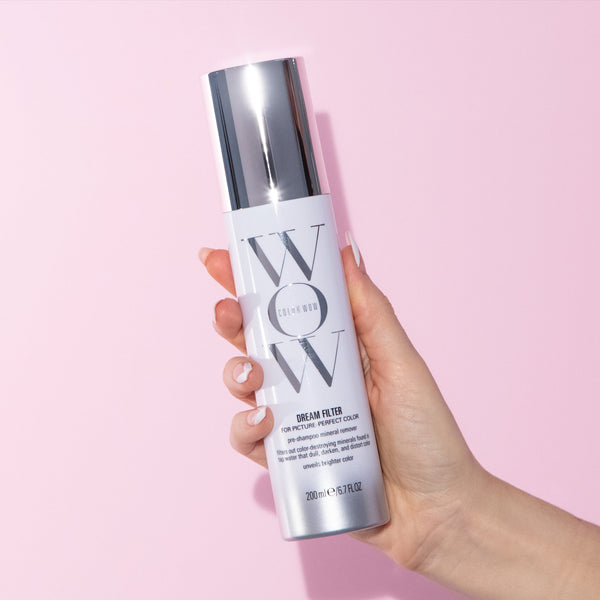
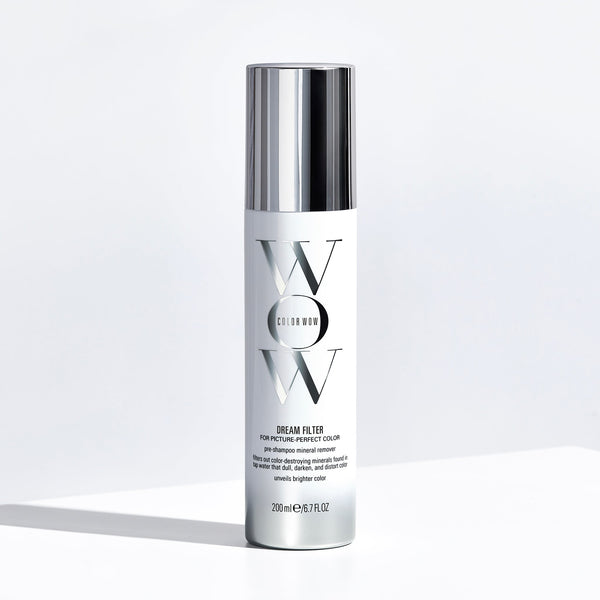
That’s exactly why Color Wow created Dream Filter.

Dream Filter Pre-Shampoo Mineral Remover works like a magnet to lift away minerals and metals that can dull, darken, and distort blonde hair.
In just 3 minutes, hair looks brighter, shinier, and lighter. Unlike harsh clarifying shampoos, it removes buildup without stripping moisture.
Keep Blonde Hair Deeply Hydrated

Dry hair reflects less light, so when blonde hair becomes dehydrated, the cuticle roughens and the surface loses its glossy, reflective quality.
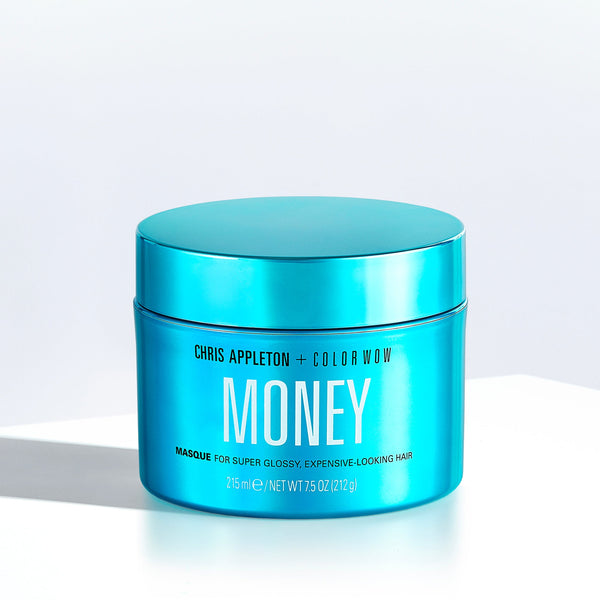
Money Laundering Hydrating Shampoo + Glossing Conditioner were specifically designed to create that ultra-glossy “expensive hair” finish blondes often lose over time.
Why the shampoo helps preserve brighter-looking blonde:
-
Formulated with an advanced Hydrating Complex of hyaluronic acid, four types of nutrient-rich marine algae extract, and sodium PCA
-
Lightweight system penetrates scalp and hair to deliver deep, long-lasting moisture without buildup
-
Helps optimise scalp conditions, improve elasticity and strength, reduce dryness and frizz
-
Leaves hair softer, smoother, and visibly healthier
Why the conditioner helps maintain reflective shine:
-
Formulated without traditional silicones
-
Uses plant-derived silicone alternatives to smooth strands and enhance light reflection without heaviness
-
Contains a biomimetic ceramide and nutrient-rich marine botanicals
-
Seals the cuticle, locks in moisture, and reduces frizz
-
Delivers a silky, polished finish that helps blonde hair appear brighter and glossier
This “clean base + high gloss” approach is especially important for natural blondes because shine dramatically affects how light or dark hair appears.
Protect Hair From UV Damage

UV exposure can oxidise pigment and weaken the cuticle over time.
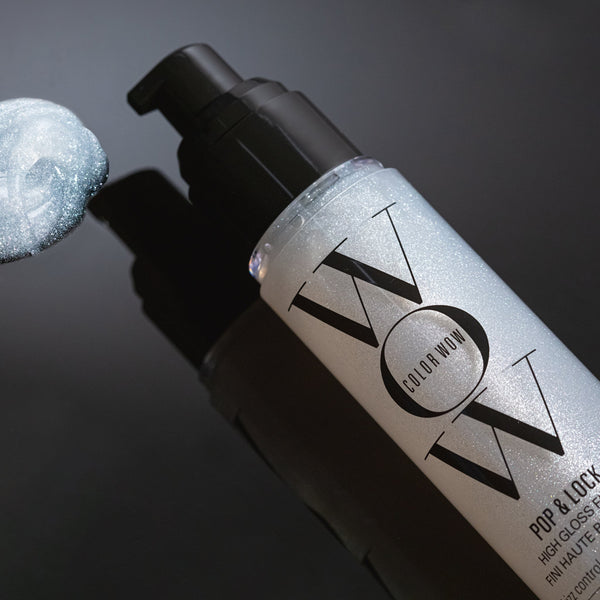
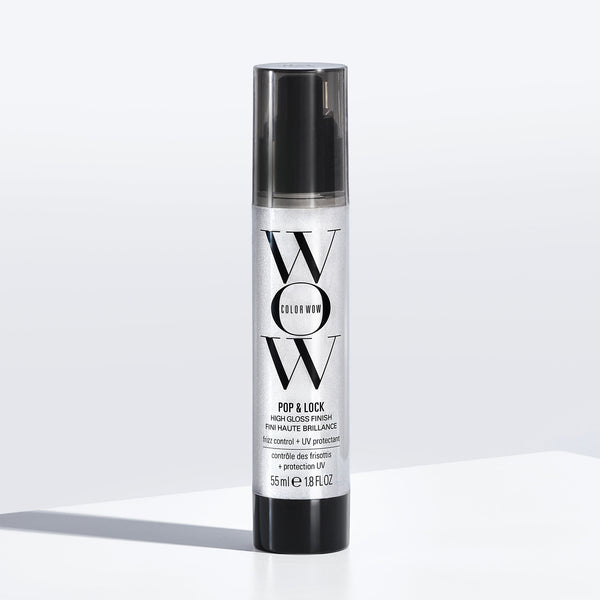
Products like One-Minute Transformation and Pop + Lock High Gloss Finish help protect against UV exposure while boosting shine and smoothing the surface of the hair for better light reflection.
Avoid Residue-Heavy Hair Products
One reason natural blonde hair gradually looks darker is cumulative coating from styling products.
Heavy waxes, oils, and non-water soluble silicones can create buildup that clouds brightness.
That’s why Color Wow formulas are specifically designed to avoid ingredients that can dull, darken, or distort colour over time.
Seal Out Humidity Before Hair Swells
Humidity causes the cuticle to expand and roughen, making blonde hair appear puffier, darker, and less reflective.

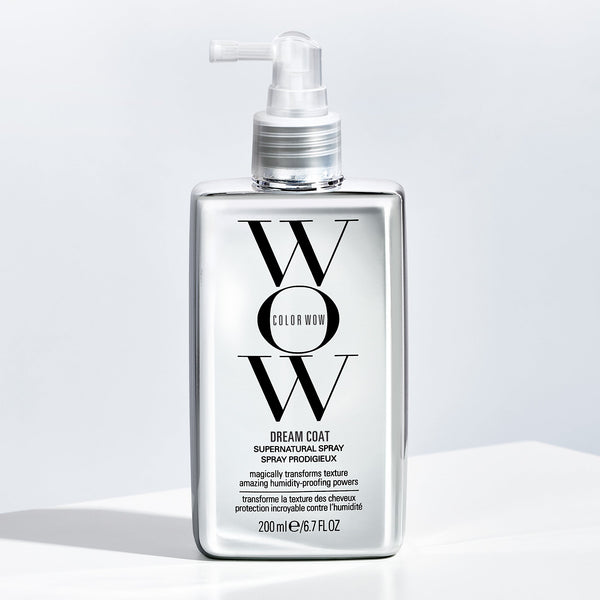
Dream Coat Supernatural Spray creates an ultra-light, humidity-resistant shield around each strand that helps keep hair sleek, smooth, and glossy for days.
Unlike heavy anti-frizz creams, Dream Coat uses heat-activated polymer technology to create a weightless, glassy finish that enhances brightness.
To Summarise
If your blonde hair has darkened over time, you’re experiencing something completely normal—and deeply rooted in biology.
But there’s also a major difference between true pigment change and blonde hair that merely looks darker because of buildup, dehydration, oxidation, or cuticle damage.
That distinction is important because while genetics may influence your underlying colour, the way your hair reflects light is still highly controllable.
The smoother, cleaner, and more hydrated your hair is, the brighter and more luminous your blonde will appear.
And often, restoring shine and clarity can make hair look dramatically “blonder” again—without changing the actual pigment at all.