Are Sulphates Actually Bad for Hair? The Science Most Shampoo Articles Skip
What is sulphate, exactly? Why do some people avoid it? And is sulphate actually bad for your hair — or is it just another beauty buzzword?

Because sulphates aren't naturally "evil." In fact, they were considered a breakthrough in cleansing technology when they first appeared.
The real issue is how they interact with hair — especially colour-treated, damaged, curly, frizz-prone, or dehydrated hair.
What Is Sulphate?
Sulphates are cleansing agents called surfactants. Their job is to break down oil, dirt, sweat, and product buildup so they can rinse away with water.

The most common sulphates found in shampoo are:
These ingredients are effective cleansers — which is exactly why they became so popular in shampoos.
— Dr. Joe Cincotta
That foamy, squeaky-clean feeling many people associate with “clean hair”? That's usually sulphates at work.
Why Were Sulphates Added to Shampoo?
Before modern detergents, soaps were often made from lye-based formulas with a high pH, which could be harsh on skin and hair.

Synthetic sulphate detergents were a major improvement when they emerged in the 1940s.
They cleansed better, produced luxurious foam, felt less harsh, and were easier (and cheaper) to manufacture.
The problem is that hair science has evolved dramatically since then.
What Does Sulphate Do to Your Hair?
1. Sulphates Strip Away Natural Oils
Your scalp naturally produces sebum — a protective oil that helps lubricate and defend the hair fiber.
 Sulphates don't just remove the "bad" buildup.
They can also wash away natural moisturising lipids, protective oils, and lightweight conditioning elements naturally present on the hair's surface.
2. Sulphates Can Swell the Hair Cuticle
This is the part most articles don't explain properly.
Hair isn't a solid structure. It's made of layered cuticle cells that act almost like shingles on a roof.
When sulphates interact with hair, they can cause strands to swell slightly. That swelling lifts and disrupts the cuticle layer.

Why does that matter?
— Dr. Joe Cincotta
That's especially relevant for people already dealing with humidity-related frizz.
Is Sulphate Bad for Your Hair?
Not always.
For some people with oily scalps, minimal chemical processing, low-porosity virgin hair, or heavy product buildup, a sulphate shampoo may not cause noticeable problems.
But for many hair concerns — especially colour fade, dehydration, frizz, curl retention, and damage — sulphates can work against your goals.
That’s why the better question isn’t: “Are sulphates bad?”
It’s: “Are sulphates okay to use with the condition and needs of your hair?”
Does Sulphate Strip Hair Colour?

Yes — and this is one of the biggest problems with sulphate shampoos.
When the cuticle swells and lifts, colour molecules can escape during your wash.
According to Dr. Joe:
This is why many professional colourists recommend sulphate-free shampoo after:
Why Sulphate-Free Shampoo Became So Popular
This means you can still experience:
This is one reason why understanding ingredients matters more than front-label marketing.
Which Ingredients Should You Look For Instead?
Dr. Joe recommends looking for gentler, lower-charge cleansing systems like:
These surfactants are commonly used in higher-end facial cleansers because they thoroughly clean without aggressively stripping the skin barrier.
The same principle applies to hair: effective cleansing without excessive cuticle disruption, moisture loss, or colour fade.
What’s the Best Sulphate-Free Shampoo for Damaged or Frizzy Hair?
If you're dealing with colour fade, dryness, frizz, rough texture, dehydration, or buildup, a low-residue sulphate-free shampoo is usually your best option.
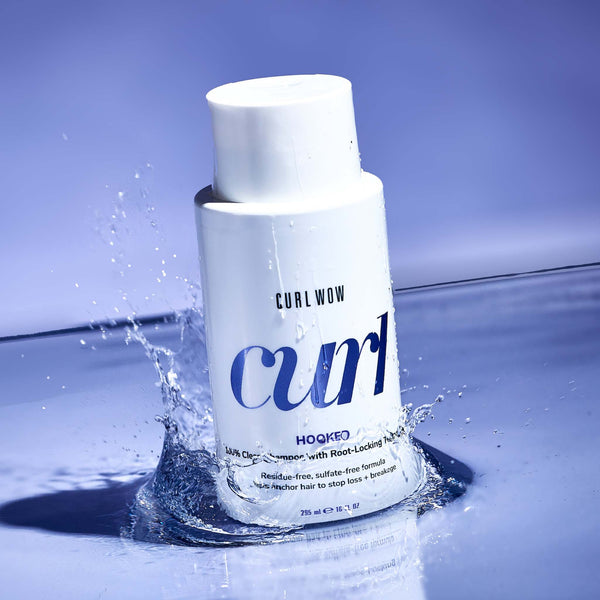
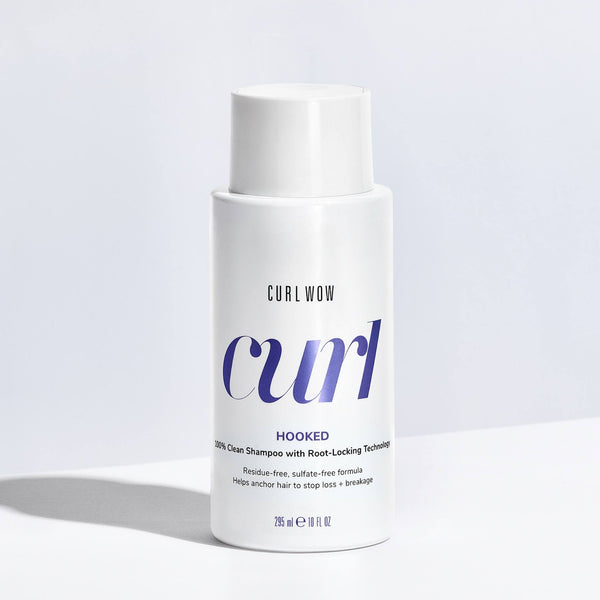
For curls and coils, Curl Wow Hooked Shampoo combines gentle cleansing with Root-Locking Technology to help support fragile textured hair.
And if you're prioritising ultra-hydrated, glossy “expensive-looking” hair, the new Money Laundering Hydrating Shampoo + Glossing Conditioner pair focuses on moisture without buildup.
Key ingredients include:
Together, these ingredients help support softness, shine, elasticity, and cuticle smoothness without the heavy residue that can weigh hair down over time.
So… Is Sulphate-Free Always Better?

Not necessarily.
But for common hair goals — especially smoother texture, less frizz, longer-lasting colour and humidity resistance, gentler cleansing systems usually perform better long term.
The biggest misconception is that “cleaner” hair means healthier hair.
In reality, hair that feels stripped and squeaky is often hair that has lost too much of what it actually needs to stay strong, shiny, and resilient.
FAQs About Sulphates in Shampoo
What is sulphate in shampoo?
sulphates are detergent-based cleansing agents used to remove oil, dirt, sweat, and buildup from hair and scalp.
Is sulphate bad for your hair?
sulphates can be overly harsh for many hair types, especially colour-treated, curly, dry, damaged, or frizz-prone hair because they may strip moisture and disrupt the cuticle.
What does sulphate do to your hair?
sulphates cleanse aggressively, remove natural oils, and can contribute to cuticle swelling, dryness, frizz, roughness, and colour fade over time.
Does sulphate cause frizz?
It can. sulphates may rough up the cuticle layer, making hair more porous and vulnerable to humidity-related swelling and frizz.
Does sulphate strip hair colour?
Yes. sulphates can accelerate colour fading because they lift the cuticle and allow dye molecules to wash out more easily.
What should I avoid in shampoo besides sulphates?
Some “sulphate-free” shampoos still use harsh detergents like Sodium C14-16 Olefin Sulfonate. Heavy residue-forming silicones, waxes, and oils can also create buildup over time.
What are the best sulphate-free cleansing ingredients?
Look for gentler surfactants like Sodium Cocoyl Glycinate, Sodium Cocoyl Isethionate, and Sodium Methyl Cocoyl Taurate.