If your hair turns dry, fluffy, static-prone or harder to control when temperatures drop, you’re not imagining it. Frizzy hair in winter is incredibly common, but the cause is different from summer frizz.
While summer humidity causes hair to absorb moisture and swell, winter brings the opposite problem. Cold outdoor air and indoor heating can strip hair of moisture, while hats, scarves and sweaters create extra friction.
The result? Dry, rough strands, flyaways, puffiness and static that can make even the smoothest style look frizzy.
So, why does hair get frizzy in winter, and how do you stop hair from frizzing in cold weather? With help from Color Wow Chief Chemist Dr. Joseph Cincotta, we’re breaking down what winter actually does to your hair — and how to build a cold-weather routine around what your frizz needs.
Why Is My Hair So Frizzy in the Winter?
Winter can trigger a few different hair conditions that look like frizz. Understanding which one you’re dealing with makes it much easier to fix.
1. Cold Air + Indoor Heating Dries Hair Out

Think about a typical winter day, and how many different environments your hair moves through.
You leave a heated home, step into cold outdoor air, commute with a hat or scarf rubbing against your head, then enter another heated building. Your hair has to deal with those dramatic changes again and again every day.
Dry winter conditions can make already dehydrated hair feel rougher and less supple. If your hair is colour-treated, chemically processed, heat damaged or naturally dry, the effects can be even more noticeable.

“Winter can create a difficult environment for hair because you’re constantly moving between cold outdoor conditions and heated indoor air. If hair is already dry or damaged, that loss of moisture can make roughness, frizz and flyaways much more noticeable.” — Dr. Joseph Cincotta
2. Low Humidity Can Make Hair Rough, Puffy and Unmanageable
Humidity gets most of the blame for frizz. But very dry air can create its own frizzy conditions. As Dr. Joe explains:
“Low humidity often leads to frizz, static, and flyaways, particularly in chemically processed or damaged hair. This lack of moisture causes the strands to separate, increasing the spacing between them.
The result? Unwanted volume, reduced control, and hair that’s harder to manage.”
That distinction is important. In humid weather, excess moisture can cause frizz-prone hair to swell and revert. In dry winter conditions, hair can become dehydrated, rough, and less flexible.
 Individual strands may stop lying neatly together, creating that fluffy, “cotton candy” appearance of dry, frizzy hair in winter.
Want to know what's happening on the surface of each strand? Dr. Joe explains what the hair cuticle is and why it matters.
3. Your Winter “Frizz” Might Actually Be Static
Take off your winter hat and suddenly your hair is standing on end? That's not necessarily frizz. It’s probably static.
 When dry hair rubs against wool, synthetic scarves, sweaters, coats and hats, friction can create an electrical charge. Similarly charged strands then repel each other instead of lying neatly together.
And because dry hair is especially susceptible to static, winter can create the perfect combination: dehydration + friction + flyaways.
“Static and frizz can look very similar, but they aren't the same thing. Static is an electrical effect caused by friction, and dry winter hair is particularly susceptible. That's why taking off a hat or scarf can suddenly send individual strands flying.”
If floating, electrified strands are your biggest cold-weather complaint, check out our complete guide to what causes static hair and how to combat it.
4. Hot Showers Can Make Dry Winter Hair Feel Worse
We get it: when it's freezing outside, a steaming shower is pretty irresistible.
 But if your hair is already dry or compromised, repeatedly exposing it to very hot water can make it more difficult to keep your hair soft and moisturised.
Keep your water temperature comfortably warm rather than excessively hot and follow shampoo with conditioner that’s appropriate for your hair type.
When you get out of the shower, don't aggressively towel-rub your hair. That extra friction is the last thing dry, winter-stressed strands need.
5. Curly Hair Can Be Especially Prone to Winter Frizz
 If your curly hair gets extra frizzy in winter, there’s a reason. It’s harder for scalp oils to travel down the bends and curves of curly strands, so curls are naturally more prone to dryness.
Add winter dehydration and friction, and defined curls can quickly get fluffy, fuzzy, or surrounded by a frizzy halo.
You don’t have to flatten your texture to fix the problem. If you want to wear your natural pattern, you’ll need to provide enough moisture and styling support to keep curls hydrated, bundled, and defined.
Winter Frizz vs. Humidity Frizz: What's the Difference?
We often think of “frizz” as one problem with one cause, but it isn't.
Humid-weather frizz happens when frizz-prone hair encounters excess atmospheric moisture. Hair can absorb that moisture, swell and begin reverting toward its natural texture.
Cold-weather frizz happens when hair becomes increasingly dry, rough, and less flexible, causing strands to separate and lose smooth alignment. Add friction from winter clothing and static can join the party too.
How to Stop Hair from Frizzing in Cold Weather
1. Make Hydration the Foundation of Your Winter Hair Routine
If your hair gets drier as temperatures fall, start your routine with moisture. Condition consistently and pay attention to how your hair actually feels rather than following the exact same routine all year.
Roughness, tangling, loss of suppleness, and straw-like texture can all be signs that your hair needs more conditioning support.
 For lightweight hydration, Money Mist Leave-In Conditioner conditions, detangles, and moisturises without leaving hair feeling heavy or greasy.
Apply it to clean, damp hair and comb through to distribute evenly before styling.
Not sure where a leave-in belongs in your routine? Our guide to leave-in conditioners and how to use them breaks it down.
2. If Winter Frizz is Puffy and Damaged, Repair + Resurface
Sometimes adding hydration isn't enough. If your winter hair looks puffy, rough, expanded, damaged, or “cotton candy”-like, you might not be dealing with dehydration alone. Damage to the hair's surface can prevent strands from looking smooth and aligned.
“When damaged hair becomes rough and irregular, simply adding moisture may not be enough to create that smooth, polished appearance. You also need to address the damaged surface of the strand — filling and smoothing those irregular areas and sealing the cuticle.”

That's where Dreaming Advanced Repair and Resurfacing Treatment comes in.
Dreaming is a rinse-out treatment mask designed to smooth, fill, and repair damage while creating a tight seal that blocks out humidity. Using it weekly creates smoother, more polished, and more manageable strands.
This is especially useful when damage is causing that swollen, fluffy-looking winter texture.
3. Keep Your Blowout Smooth With Dream Coat
Hydration and repair address the condition of your hair. But what if winter weather immediately tries to undo your perfectly smooth blowout?
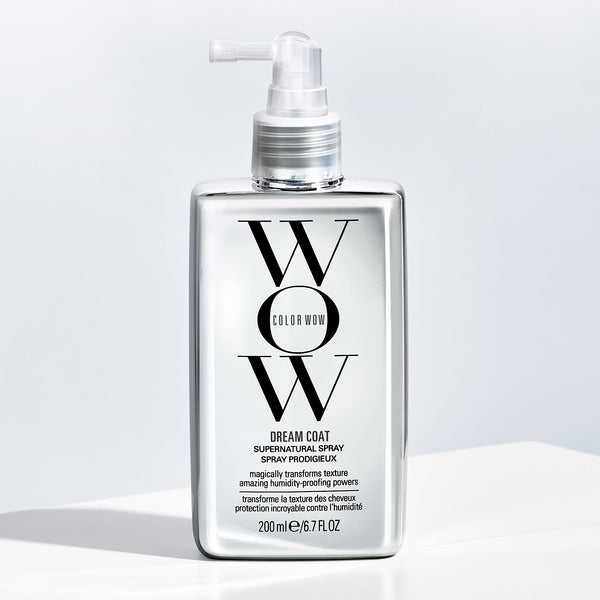
 Enter, Dream Coat Supernatural Spray. Dream Coat is a lightweight, heat-activated anti-humidity spray.
It forms an invisible, water-resistant shield around each strand that smooths the outer cuticle and prevents moisture from frizzing up your finished style.
Apply it generously to damp, towel-dried hair, section by section, and comb through for even distribution. Then blow-dry each section using tension from a round brush while directing heat down the lengths until the hair is completely dry.
The benefits of Dream Coat last for up to four shampoos, so you don't need to apply it every time you wash.
“Dream Coat approaches frizz differently. Its heat-activated technology creates an ultra-light, water-resistant matrix around each strand that helps prevent atmospheric moisture from disrupting the finished style.”
4. Match Your Anti-Frizz Product to the Style You Want

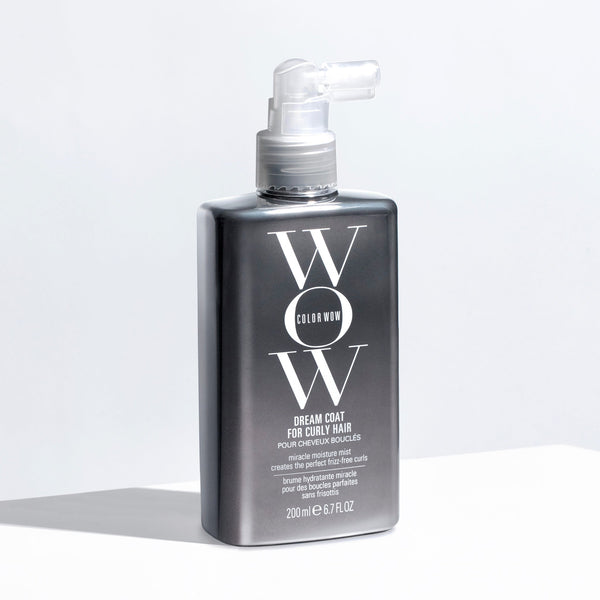
If you have wavy or curly hair and want to eliminate frizz from your natural pattern, Dream Coat for Curly Hair doesn’t require you to blow dry your hair straight.
It's a one-step curl styling solution for naturally wavy or curly hair that creates hydrated, bouncy, frizz-free curls without crunch or stiffness. Apply generously to damp hair section by section, then air-dry or diffuse.
5. Reduce Friction From Hats, Scarves, and Winter Clothing
We won’t tell you to stop wearing a hat in January; instead, think about friction.
Try a satin- or silk-lined beanie, or place a smooth barrier between your hair and rough wool or synthetic fabrics. Less friction means less opportunity to generate the electrical charge behind static flyaways.
The same logic applies overnight: reducing friction while you sleep helps preserve your finished style and a smoother-looking surface.
6. Be Gentler With Dry, Fragile Winter Hair
Winter isn't the time to wage war on your hair with a towel and brush. After washing, gently squeeze or blot out excess water rather than aggressively rubbing your hair dry.
Detangle carefully, especially when your hair is wet and more vulnerable to stretching and breaking.
And if dry hair is already staticky, repeatedly brushing it to flatten flyaways can create more friction and make the problem even worse.
If dryness and frizz continue beyond the colder months, read our guide to why dry, frizzy hair happens and how to fix it.
Winter Frizz FAQs
Does cold weather make hair frizzy?
Yes, cold weather can cause frizzy-looking hair, but temperature alone isn't the whole story. Winter combines cold, dry outdoor conditions with heated indoor air, dehydration, and increased friction from hats, scarves, and clothing. Together, these can leave hair rough, separated, static-prone, and harder to control.
Why does my hair get frizzy in winter but not summer?
Your winter frizz may have a different trigger. Summer frizz is often associated with high humidity, where atmospheric moisture can enter hair and cause it to swell. Winter frizz can be driven by dehydration, roughness, and static, particularly in dry or damaged hair.
Does low humidity cause frizzy hair?
It can. High humidity isn't the only condition associated with frizzy-looking hair. Very dry environments can cause dehydration and static, while strands may become rougher and separate from one another.
That's why winter frizz and summer frizz can look similar even though the environmental triggers are different.
How do I stop my hair from frizzing in cold weather?
First, work out what your winter frizz needs. Maintain adequate conditioning and hydration, reduce friction from winter clothing, treat damage if hair has become rough and puffy, and choose anti-frizz styling products based on your hair texture and the finished style you want.
How do I stop winter static without weighing my hair down?
Think lightweight hydration + less friction, rather than coating hair with heavy products.
Make sure to condition hair, use a lightweight leave-in when needed, avoid excessive brushing when static develops, and choose hats and scarfs with smoother linings when possible.
What is the best product for frizzy hair in winter?
Not all winter frizz has the same cause, so there isn’t one holy grail product to fix it.
For lightweight leave-in hydration, try Money Mist. For damaged, puffy, frizz-prone hair, reach for Dreaming as a weekly rinse-out treatment.
For protecting a smooth blowout from humidity, use Dream Coat Supernatural Spray. And if you want to wear your natural waves or curls rather than straightening them, Dream Coat for Curly Hair is designed to enhance your natural pattern.
Keep Winter Frizz on Ice
The secret to controlling frizzy hair in winter isn't simply piling on more anti-frizz product; it's understanding what's making your hair misbehave in the first place.
Winter can create a perfect storm of dehydration, roughness, static, friction and flyaways — with rain, snow and damp weather occasionally adding humidity-induced frizz into the equation too.
So build your cold-weather routine around what your hair actually needs: hydrate dry strands, repair and resurface damage, minimise friction and protect your finished style from the environment.
For more cold-weather solutions, explore our winter hair care products or read our complete guide to protecting your hair during winter.